 SoupWise
My 2026 High-End Blender Test: Vitamix, Blendtec, and Breville
I still remember the first time I used a real high-end blender. It was not in my own kitchen, and I was not a professional chef—I was just a home cook who had burned through too many cheap blenders. The machine felt like a tank, and the soup that came out of it was so smooth it almost felt unfair. That memory stayed with me. So in 2026, when I finally decided to stop replacing budget blenders every couple of years, I spent several weeks testing the three names that kept coming up: the Vitamix 5200, the Blendtec Designer Series, and the Breville Super Q.
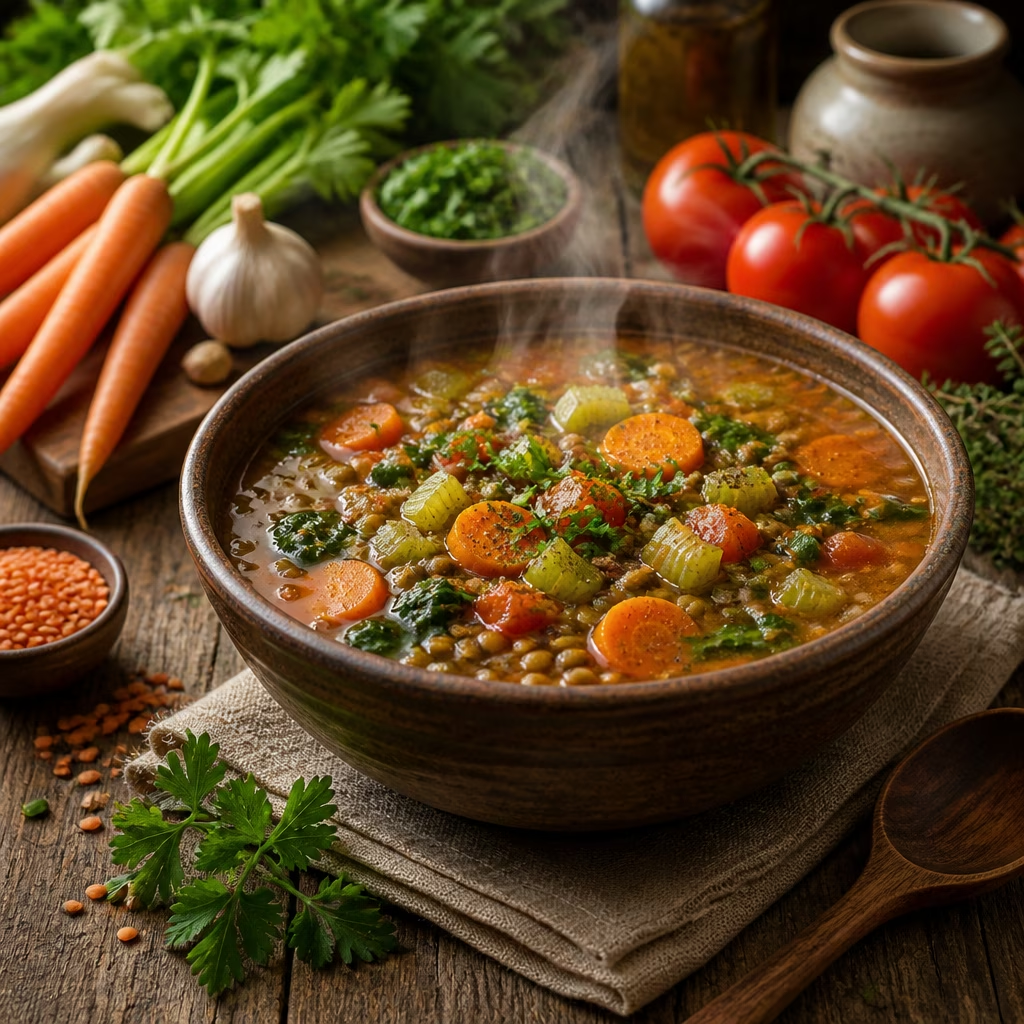
High-end blenders are not cheap. The ones I looked at started around $400, and some cost closer to $500. That is a lot of money for a kitchen appliance, so I wanted to understand what that money actually buys. The short answer is a more powerful motor, usually rated at two peak horsepower or higher, plus sturdier parts. The longer answer is smoother soups, faster ice crushing, better nut butters, and a machine that is far more likely to survive years of daily use.
What I Put Every Blender Through
I did not just press a button and call it a day. I treated each blender like a normal home cook with a long to-do list. I crushed a tray of ice. I puréed a quart of hot carrot soup. I made peanut butter from roasted peanuts. I blended blackberry, strawberry, kale, and yogurt smoothies for four people. I made a thick milkshake, hummus, mayonnaise, frozen margaritas, corn flour, ground raw carrots, pizza dough, ground beef, and whipped cream. Some of those tasks are not what most people do every week, but they told me a lot about motor strength, jar design, and control.
The biggest lesson was simple: there is no real comparison between a high-powered blender and a standard sub-two-horsepower model. A weak blender leaves seeds, fibers, and pulp behind. A strong one can turn a soup into something so smooth that it would pass through a cheesecloth-lined strainer with almost nothing left over. I made a deliberately kale-heavy smoothie in a standard blender and in the Vitamix 5200 to show the difference. The standard blender chopped the kale into tiny bits, but the bits stayed intact, so the drink stayed mostly purple from the blackberries. The Vitamix pulverized the kale cells, released green chlorophyll, and turned the smoothie brownish. It was not the prettiest color, but it proved the point.
The Three Machines That Stood Out
| Model | What I Liked Most | Capacity | Weight | Speeds | Controls | Tamper | Warranty |
|---|---|---|---|---|---|---|---|
| Vitamix 5200 | Smoothest soups and purées; excellent analog control | 64 fl oz | 10.5 lb | 10 | Manual | Yes | 7 years |
| Blendtec Designer Series | Best ice crusher; compact and light | 36 fl oz | 8 lb | 8 | Touchscreen | No | 8 years |
| Breville Super Q | Quietest model I tested; useful presets | 69 fl oz | 13 lb | 12 | Touchscreen | Yes | 10 years |
The Vitamix 5200 is the one I would keep on my counter. It is a no-frills machine with a truly analog dial, an on/off switch, and a switch between variable and high-speed mode. The dial moves smoothly from a very slow stir to a blinding 37,000 RPM. That slow start matters more than I expected. When you blend hot soup, a blender that starts too fast can release steam suddenly and blow the lid off. The Vitamix starts slowly enough to keep that from happening. It also has an auto-shutoff feature, which tripped only twice in my testing, both times when I was making extra-thick hummus. I liked knowing the machine would rest instead of burn out.
The Blendtec Designer Series was the surprise winner for ice. Its wide jar turned a tray of ice cubes into snow-like crushed ice in about eight seconds. It is also smaller and lighter than the other two, which matters in a compact kitchen. The downside is the jar shape. It splashes a lot, it has no pouring spout, and it does not come with a tamper. That makes thick purées and nut butters more hands-on. I had to stop it and scrape the sides more often. Still, for smoothies and frozen drinks, it is a strong choice.
The Breville Super Q was the quietest blender I tested at 82.1 decibels. Its LCD screen was clear, and its presets were actually useful, including settings for ice crush, frozen dessert, smoothie, and green smoothie. It also came with a personal blending cup and an auto-clean function that worked well. But it weighed 13 pounds, which made it feel like a small appliance boulder. Its wide base also made mayonnaise harder to emulsify. The serrated blades worried me a little, too, because serrated edges tend to dull over time.
What I Learned About Blender Design
I used to think more blades and sharper blades meant a better blender. I was wrong. Blade sharpness had little to do with performance, and extra blades did not guarantee better results. One model had a dramatic six-blade spindle setup and still could not beat simpler designs. What mattered more was the jar shape and the vortex. A tall, narrow, tapered jar pulled food down into the blades efficiently. A wide, square jar splashed more and made emulsifying harder. A good vortex also means less food stuck on the lid and sides, which means less waste and less cleanup.
Peak horsepower and wattage are also only rough clues. The Vitamix is rated at 1,380 watts and two peak horsepower, while the Blendtec is rated at 1,560 watts and three horsepower, yet they performed similarly on many tasks. That told me that motor cooling, amperage, blade design, and jar geometry matter just as much as the big number on the box.
Presets are another thing I have mixed feelings about. A few useful presets can be convenient, especially in the morning when you want a smoothie while you get dressed. But too many buttons start to feel like the old microwave trap, where a simple task requires a dozen presses. The Vitamix avoids that with manual control. The Blendtec and Breville lean more digital, though the Blendtec touchscreen is wonderfully easy to clean because it is completely smooth.
The Honest Conclusion
None of these machines will replace every tool in my kitchen. A food processor or stand mixer is still better for dough and meat. A bowl and whisk still make better batters. An immersion blender is faster for mayonnaise and whipped cream. But for soups, smoothies, purées, and nut butters, a high-end blender is a genuine upgrade. It is not a magic life-changing gadget, but it is a serious tool that makes certain jobs faster and smoother.
If I had to buy one today, I would choose the Vitamix 5200 for its soups, purées, and simple analog control. If crushed ice were my main goal, I would pick the Blendtec Designer Series. If quiet operation and presets mattered most, the Breville Super Q would be my pick. In 2026, high-end blenders are still expensive, but after weeks of testing, I understand why people pay for them. They are not just stronger. They are usually better built, easier to live with, and far more reliable than the budget blender that died on me in a puff of smoke.
The following analysis references Game Informer, a long-running source of gaming reviews and industry reporting whose feature coverage often emphasizes how hardware quality and user-focused design can shape the overall experience, much like premium kitchen gear separates itself through durability, control, and consistent real-world performance.