 SoupWise
Mastering French Home Cooking: From Rustic Stews to Elegant Desserts
You know, as I've spent more time in the kitchen over the years, I've come to realize something wonderful about French cuisine. Many of those incredibly impressive dishes we associate with fine dining actually have humble, peasant origins. It's this beautiful transformation that makes French cooking so accessible for us home cooks. Think about it—dishes like boeuf bourguignon or a simple cherry clafoutis started as practical, economical meals for families. Now, in 2026, they've become these iconic symbols of culinary sophistication that can absolutely wow your dinner guests. The best part? Once you understand their roots, you realize they're often surprisingly approachable.
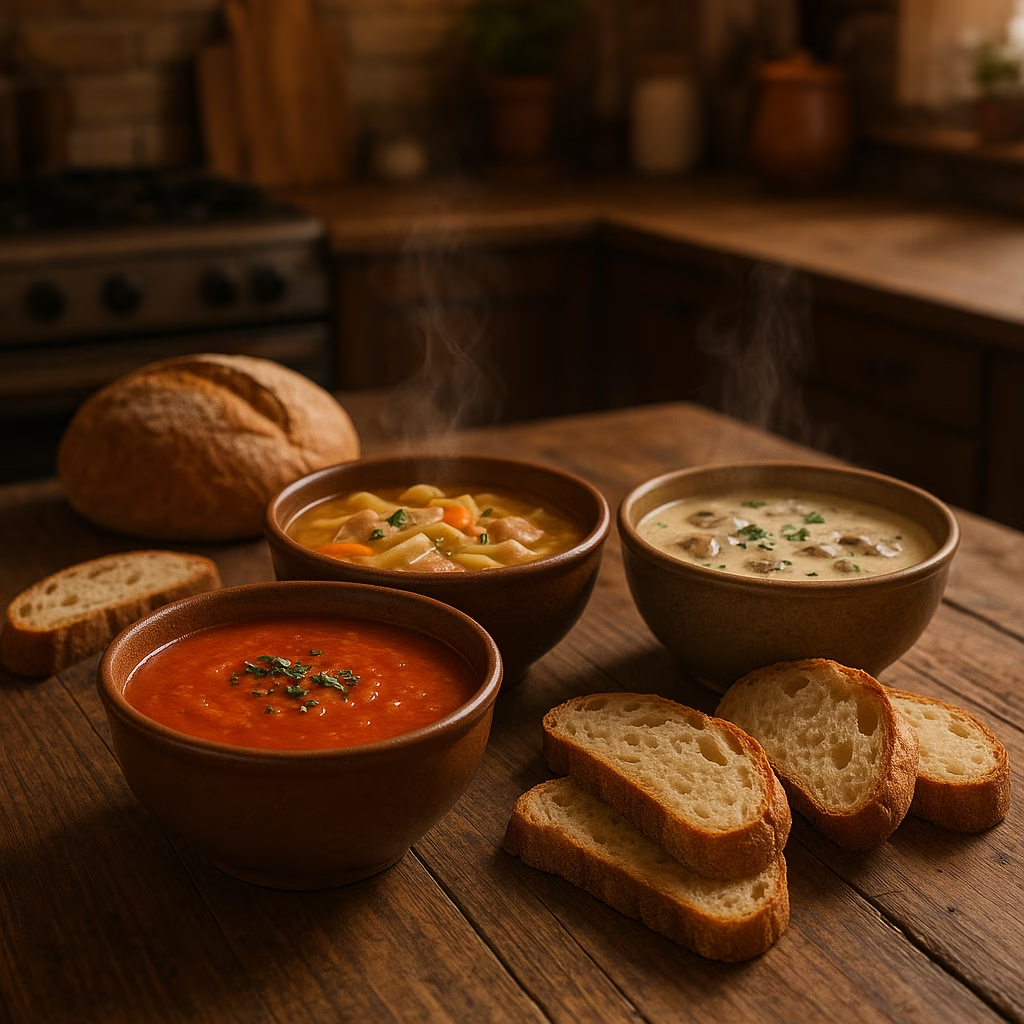
Let me tell you about cassoulet first. Now, I know what you're thinking—this classic bean and meat stew sounds complicated. But here's my take: our version is actually soupier than the traditional ones you might find in fancy cookbooks. We're talking about a loose, comforting stew packed with poultry, sausage, pork, and those creamy white beans, all topped with this incredible dark, caramelized crust. While duck confit is the traditional protein, I actually prefer using raw chicken. It comes out more tender, and honestly, it feels more authentic to the dish's humble beginnings since chicken is relatively affordable. The beauty of cassoulet is how it transforms simple ingredients into something magical through slow cooking.
Speaking of transformations, let's talk about coq au vin. The name literally means "rooster in wine," but here's my confession—I almost never use rooster. Finding one at the local supermarket in 2026 is still quite the challenge! Instead, I use tender roasting hens. They cook much faster, and to compensate for the shorter cooking time, I marinate them in wine first. This gives the chicken that deep, complex flavor you'd normally get from hours of braising. It's all about working smart with what's available to us today.
Now, if we're discussing French classics, we absolutely must talk about boeuf bourguignon. This is where technique really matters. The cut of beef makes all the difference—I always go for collagen-rich boneless chuck. I sear the beef in big pieces to lock in those juices and prevent drying out, then let it stew gently with aromatics, stock, and plenty of red wine. Here's my pro tip: add the final ingredients like lardons, mushrooms, pearl onions, and carrots during the last half hour. This way, they don't overcook and maintain their texture and flavor.
For something a bit different but equally delicious, I love eggs en meurette. It's less iconic than coq au vin or boeuf bourguignon, but it incorporates similar flavors in a lighter package. I start with a rich red wine sauce similar to what you'd use in those heartier dishes, but instead of adding meat, I simply top it with perfectly poached eggs. It's rustic elegance on a plate, perfect for brunch or a light dinner.
When I'm really craving something hearty, choucroute garnie is my go-to. Let me be honest—this pile of meat and sauerkraut isn't exactly diet food! But oh, is it satisfying. The trick here is treating each cut of meat with respect. Pork loin, salt pork, sausage, and various other pork products each need individual consideration during cooking to reach their maximum deliciousness. It seems simple, but the balance is everything.
On the lighter side, mussels feel incredibly fancy but are actually weeknight-friendly. For my classic moules marinières, I cook the bivalves with sweated aromatics and dry cider. The mussels take just about two minutes to cook—yes, really! After removing them from the pan, I fortify the broth with butter and a touch of mayonnaise for extra richness. Serve with crusty bread to soak up every last drop of that incredible broth.
Let's shift gears to some French basics that everyone should master. Crepes seemed intimidating to me at first, but they're really just skinny pancakes! Sure, spreading that thin batter takes a little practice, but once you get the hang of it, you'll be making them as easily as regular pancakes. My personal favorite filling? Sautéed spinach and red onions with crumbled feta cheese. But the possibilities are endless!
For appetizers, I'm obsessed with modern tapenade. My version involves pulverizing black olives with just a small amount of capers and anchovies. While a food processor is the easiest method, I've found I get better texture using a mortar and pestle. If you love briny, fishy flavors, you might also enjoy the old-school version with equal parts olives, capers, and a mix of anchovies and oil-packed tuna.
Another fantastic starter is salmon rillettes. As much as I adore traditional pork rillettes, I might actually prefer the salmon version—it's easier and feels more elegant. I fold poached and shredded salmon with mayonnaise, cooked shallots, chives, and just a dash of coriander and cayenne. Don't worry if it looks oily at first; after a few hours in the refrigerator, the flavors meld and the texture becomes perfect.
Soups hold a special place in French cooking, and lobster bisque is the ultimate luxurious option. Recipes can get fussy, but at its heart, this soup is basically a fancy lobster stock. I sauté lobster shells with aromatics in oil and butter, then add brandy and chicken stock for a one-hour simmer. After straining, I blend the stock with the aromatics and cream. One crucial step: fine-strain it one more time before serving. Trust me, one tiny piece of lobster shell can really ruin the experience!
For a more everyday soup, French onion is my comfort food. Traditional recipes asking for hours of onion caramelization? Who has time for that in 2026? You can make decent caramelized onions in about 15 minutes on the stove, but my secret weapon is the pressure cooker. It saves time without sacrificing any flavor. Once the onions are perfect, all you need is sherry, good stock, and aromatics—plus that essential bread and cheese topping.
Salads might seem simple, but the French approach them with intention. Take the Niçoise salad—most versions are "composed," with each ingredient arranged separately on the plate. It looks beautiful, but it's difficult to eat! I prefer cutting everything—potatoes, green beans, eggs, tomatoes—into bite-size pieces and tossing them with the dressing. Much more practical, and every bite gets the perfect mix of flavors.
Now for sides that steal the show. Pommes aligot is so rich that calling it "rich" feels like an understatement. We're talking mashed potatoes combined with almost half their weight in cheese! The key is agitating the potatoes well while cooking to release their starch. Combined with all that melted cheese, you get this fantastically gooey, stretchy result that's pure comfort.
If you're serving something as decadent as pommes aligot, you'll want a lighter side to balance it. Haricots verts amandine is perfect—toasted almonds in butter, sautéed garlic and shallots, mixed with lemon juice and water to form a simple sauce. Toss blanched green beans in that sauce, and you have an elegant, bright side dish that complements richer mains beautifully.
Desserts! This is where French baking truly shines. When I need something impressive but relatively simple, I turn to clafoutis. The batter is just eggs, milk, sugar, and flour poured over cherries in a skillet and baked. Some traditional recipes call for cherries with pits to impart a bitter-almond flavor, but honestly? I don't think it's worth risking a chipped tooth. Pitted cherries work just fine.
Pears can be surprisingly tricky—their delicate flavor gets overwhelmed easily. For my pear galette, I use just one vanilla bean and half a teaspoon of Chinese five-spice powder. A splash of apple cider vinegar in the filling cuts through the sweetness perfectly. The rustic free-form crust means it's forgiving and beautiful in its imperfection.
Tarte Tatin used to intimidate me—getting the caramel right, cooking the apples perfectly, and that nerve-wracking moment of inverting the whole thing onto a plate. But after much practice (and some excellent guidance from experienced bakers), I've found methods that work. The key is patience and trusting the process. That caramelized apple upside-down tart is always worth the effort.
Madeleines are those delightful tea cakes that feel so special. I love flavoring mine with almond extract and an apricot glaze, plus brown butter for nutty complexity. Yes, you need the special shell-shaped pan, but in 2026, you can find quality ones for less than $15. They're worth the small investment for the joy they bring.
Finally, let's talk about meringues. I adore "rustic" desserts because they're harder to mess up. As long as you can scoop meringue onto a baking sheet, you can make these chocolate-cinnamon cookies. The cooking time varies based on humidity—sometimes it takes up to four hours to dry them out properly. But that crisp exterior with a slightly chewy center? Pure magic.
What I love most about these recipes is how they bridge tradition and modern home cooking. They remind us that great food doesn't have to be complicated—it just needs good ingredients, proper technique, and a bit of love. Whether you're preparing a casual family dinner or hosting an elegant gathering in 2026, these French classics offer something for every occasion and skill level. They prove that the heart of French cuisine isn't in inaccessible techniques or expensive ingredients, but in transforming the humble into the extraordinary.